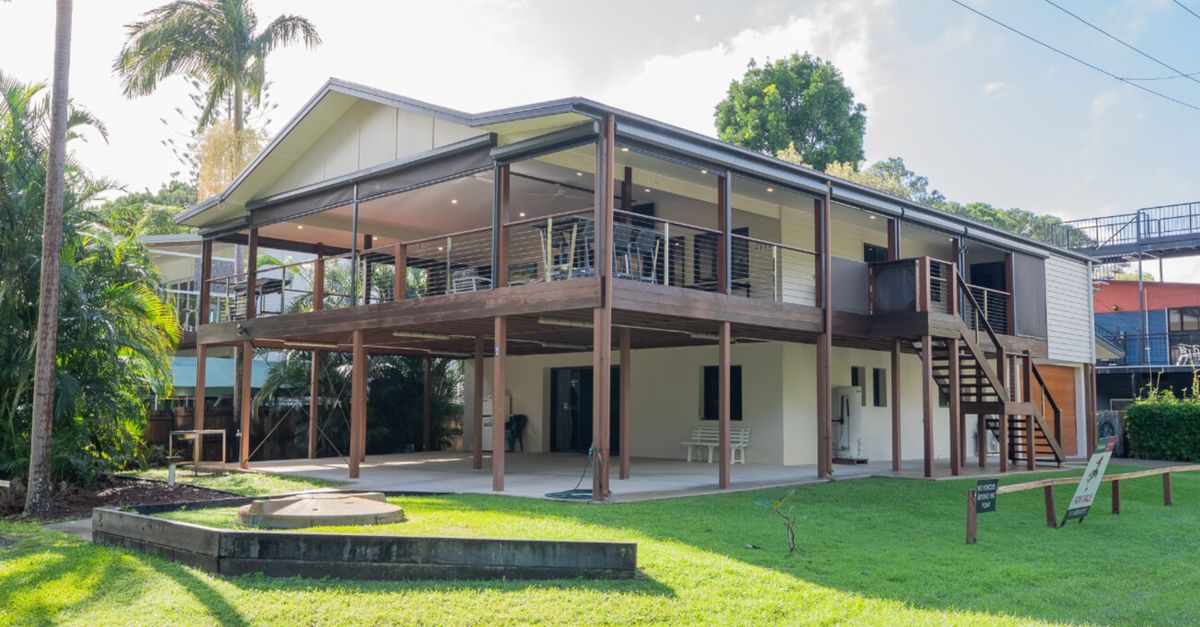
The Economic Impact of New Hospitality Developments in Ballina
Table Of Contents
Community Engagement in Hospitality Projects
Involving local residents and stakeholders in hospitality projects fosters a sense of ownership and pride within the community. Regular consultations can help gather valuable insights and address any concerns residents may have. Engagement initiatives, such as public forums and informational sessions, encourage dialogue between developers and the community. This transparent approach not only builds trust but also ensures that the developments align with local values and vision.
Moreover, successful projects often include feedback mechanisms to allow ongoing community input. These mechanisms can take the form of surveys or dedicated committees that represent various community interests. This approach helps in shaping the project as it progresses, ensuring the hospitality developments not only cater to tourists but also enrich the local lifestyle. By prioritising community engagement, developers can create more sustainable and well-received ventures that benefit all stakeholders.
Involvement of Local Residents and Stakeholders
Successful hospitality developments often hinge on active participation from local residents and stakeholders. Their insights can significantly shape project outcomes, ensuring that new establishments align with community values and needs. Engaging locals in discussions about proposed developments fosters a sense of ownership and pride, encouraging collaboration between developers and the residents affected by these initiatives. This dual approach can lead to enhanced support for projects, as local voices are acknowledged and considered throughout the planning process.
Furthermore, stakeholder involvement can pave the way for mutually beneficial partnerships. Local businesses can collaborate with new hospitality ventures, creating synergies that boost the local economy. Expert knowledge from residents about regional nuances can also provide valuable guidance, helping developers navigate potential challenges. By incorporating diverse perspectives, hospitality projects can be designed to complement existing community infrastructure, thereby fostering a vibrant and cohesive environment that attracts visitors while preserving local character.
Environmental Considerations
The arrival of new hospitality developments in Ballina prompts important discussions around environmental sustainability. Local initiatives have aimed to minimise the ecological footprint of these projects while enhancing the natural beauty and resources of the area. Developers often consult environmental experts to ensure compliance with regulations and to integrate eco-friendly solutions into their designs. These measures can include energy-efficient building practices, waste management systems, and water conservation strategies that align with preserving local ecosystems.
Moreover, preserving Ballina’s unique landscape becomes a priority as new enterprises arise. Incorporating green spaces within development plans fosters biodiversity and promotes a healthy environment for both residents and visitors. Partnerships with local environmental groups can further strengthen these efforts by facilitating community-driven conservation initiatives. Such collaborations not only improve the environmental standing of new ventures but also enhance community pride and engagement, setting a precedent for future projects.
Sustainable Practices in New Ventures
Many new hospitality projects in Ballina are prioritising sustainability as a core element of their design and operation. Embracing eco-friendly materials in construction reduces the environmental footprint of these ventures. Local wildlife protection measures are also being incorporated, ensuring that the natural landscape remains intact and thriving. Furthermore, the use of renewable energy sources, such as solar power, plays a significant role in minimising energy consumption and promoting a greener operational approach.
Water conservation initiatives are becoming central to these developments, with systems in place to manage usage effectively while providing guests with comfort. Waste management practices, including recycling and composting, are being adopted, aiming to reduce landfill contributions. By integrating these sustainable practices, new hospitality ventures not only contribute to the preservation of Ballina's natural beauty but also attract environmentally conscious travellers seeking responsible options during their stay.
Attracting International Visitors
Ballina's strategic location and growing reputation as a vibrant tourism destination are key factors in attracting international visitors. With stunning coastal views and rich cultural experiences, the town offers an array of activities that appeal to a wide audience. Recent hospitality developments contribute significantly to this appeal, providing upgraded accommodations and diverse dining options that cater to global tastes. As travel trends lean towards unique and authentic experiences, Ballina’s new establishments present an opportunity to showcase local culture and cuisine, drawing in tourists from around the world.
Enhancing the global allure of Ballina also hinges on effective marketing strategies tailored to international markets. Engaging in partnerships with travel agencies and leveraging social media can significantly boost visibility. Furthermore, hosting international events or festivals can create a buzz that encourages long-distance travellers to explore the area. With the right focus on hospitality and visitor experience, Ballina can successfully position itself as a must-visit destination within the competitive global tourism landscape.
Enhancing Ballina's Global Appeal
The recent hospitality developments in Ballina have positioned the region as an attractive destination for international visitors. Investments in high-quality accommodations and diverse dining experiences create a vibrant atmosphere that appeals to tourists seeking unique adventures. Enhanced marketing strategies, coupled with improved infrastructure, make it easier for overseas guests to discover Ballina's natural beauty and cultural offerings.
In addition to attracting tourists, these developments foster connections with global networks. Events such as food festivals and art showcases highlight local talent while drawing attention from international audiences. As the community embraces these opportunities, Ballina's recognition as a premier destination on the world map continues to grow, promising lasting economic benefits.
FAQS
What are the main economic benefits of new hospitality developments in Ballina?
New hospitality developments in Ballina can boost local employment, increase tourism revenue, and stimulate growth in surrounding businesses, contributing to the overall economic vitality of the region.
How do local residents benefit from new hospitality projects?
Local residents benefit from new hospitality projects through job creation, increased local spending, and opportunities for community engagement in the planning and development process, which can enhance the overall quality of life.
What environmental considerations are taken into account in new hospitality developments?
Environmental considerations may include sustainable building practices, energy efficiency, waste reduction strategies, and efforts to minimise the ecological footprint, ensuring that developments are environmentally friendly.
How do sustainable practices in new hospitality ventures affect the economy?
Sustainable practices can lead to long-term cost savings for businesses, attract eco-conscious tourists, and enhance the reputation of the region, ultimately contributing to a more robust and responsible economy.
In what ways do new hospitality developments enhance Ballina's global appeal?
New hospitality developments can enhance Ballina's global appeal by offering unique experiences, promoting local culture, and attracting international visitors, which can lead to increased recognition and investment in the area.
Related Links
Best Practices for Efficient Hospitality Construction Management in BallinaCompliance and Safety Standards for Hospitality Construction in Ballina
Project Spotlight: Transforming Ballina's Historical Buildings into Modern Hospitality Venues
Trends in Hospitality Architecture: What Ballina Builders Should Know
Building for Comfort: Enhancing Guest Experiences in Ballina Hotels
Sustainable Practices in Ballina's Hotel Development Projects
The Role of Local Materials in Hospitality Construction in Ballina
Designing a Unique Hospitality Space for Ballina's Coastal Tourist Market